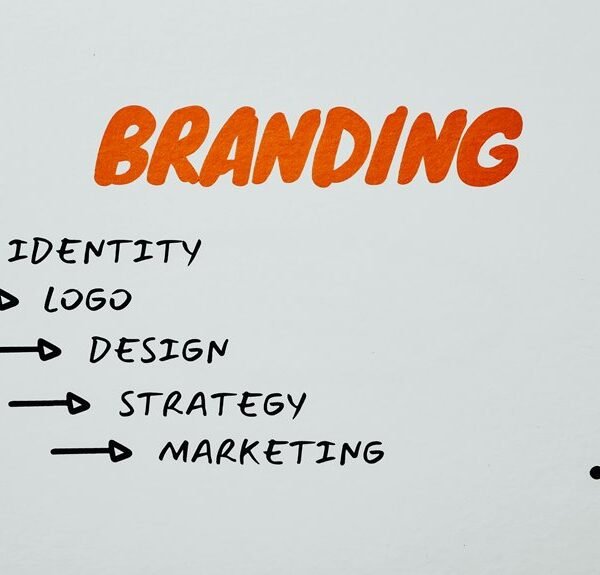
In the ever-evolving landscape of digital marketing, selecting the right tools plays a pivotal role in enhancing engagement and optimizing strategies. Various platforms offer unique capabilities, but the challenge lies in aligning them with specific goals and budgets. A strategic approach to integration can transform workflows, yet many brands struggle with execution. Understanding how to effectively measure the success of these tools could be the key to unlocking their full potential. What factors should be prioritized?
Top Digital Tools for Effective Marketing
In today’s highly competitive landscape, a myriad of digital tools exist to enhance marketing effectiveness.
Social media analytics platforms empower brands to track engagement and refine strategies, facilitating informed decision-making.
Meanwhile, innovative content creation tools streamline the development of compelling narratives, allowing marketers to resonate with their audience deeply.
Together, these resources enable brands to navigate the digital realm with agility and creative freedom.
Criteria for Selecting the Right Digital Tools?
How can businesses ensure they choose the most suitable digital marketing tools? Evaluating user experience is crucial, as intuitive platforms enhance engagement and efficiency.
Additionally, budget considerations must align with expected ROI; tools should deliver value without compromising resources.
Careful analysis of features, scalability, and compatibility with existing systems empowers businesses to select tools that facilitate growth and innovation in their marketing strategies.
How to Seamlessly Integrate Digital Tools Into Your Marketing?
What strategies can businesses employ to ensure a smooth integration of digital tools into their marketing efforts?
A focused digital strategy is essential, emphasizing tool compatibility. Aligning tools with existing workflows fosters efficiency and reduces friction.
Training staff on new technologies enhances adaptation, while continuous evaluation ensures alignment with marketing goals.
Ultimately, a cohesive approach empowers businesses to harness the full potential of their digital resources.
How to Measure the Success of Integrated Digital Marketing Tools?
Determining the effectiveness of integrated digital marketing tools requires a multifaceted approach that goes beyond surface-level metrics.
Employing advanced analytics techniques, marketers can assess performance metrics such as conversion rates, engagement levels, and customer retention.
This strategic evaluation not only highlights areas of success but also unveils opportunities for optimization, ultimately empowering brands to achieve greater freedom and impact in their marketing efforts.
Conclusion
In conclusion, the strategic selection and integration of digital tools can serve as the backbone of a successful marketing strategy, akin to a well-tuned orchestra harmonizing to create a resonant symphony. By aligning these tools with specific goals and continuously assessing their performance, brands can adapt to the ever-evolving digital landscape. Ultimately, embracing the right technology not only enhances engagement but also paves the way for innovation, ensuring a sustainable competitive advantage.